
How Energy Companies Are Quietly Monetizing Grid Data for AI Training
How Energy Companies Are Quietly Monetizing Grid Data for AI Training
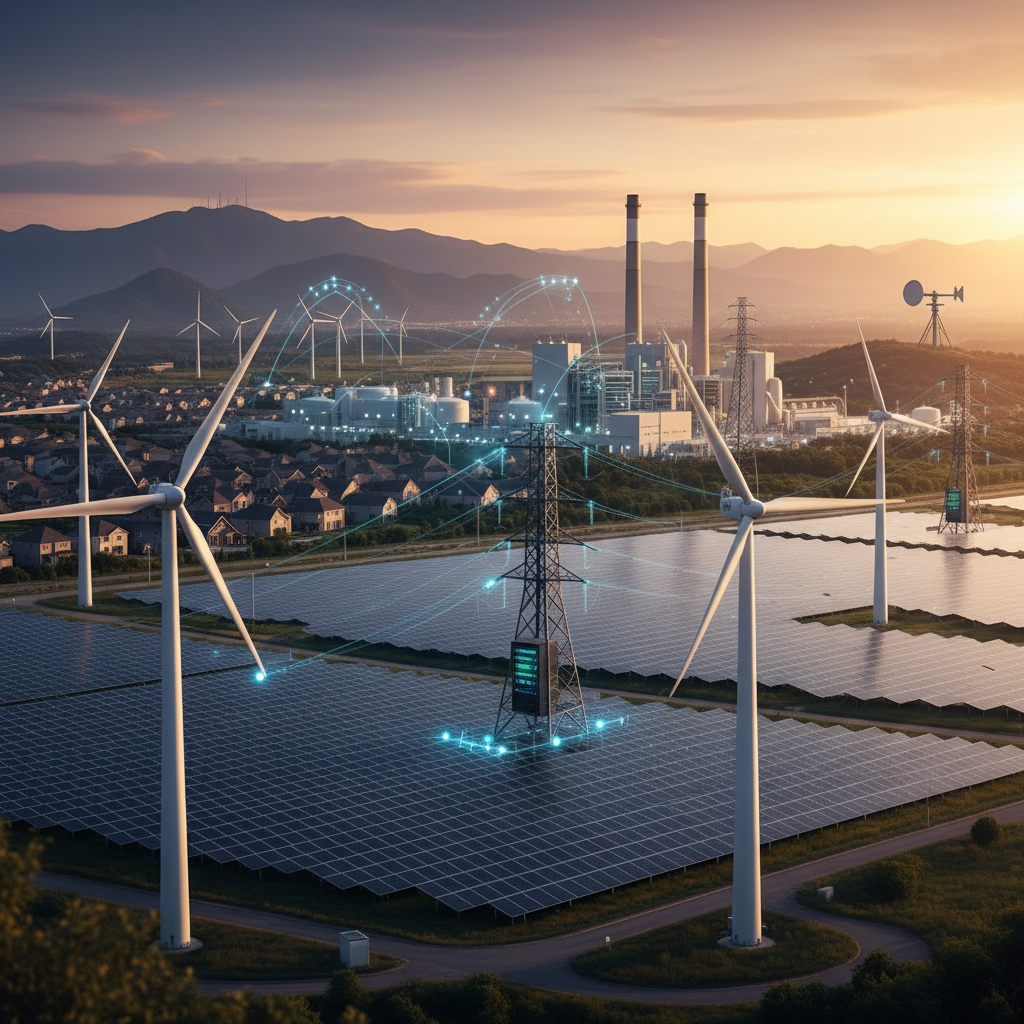
The energy sector sits on one of the richest data assets on the planet. Smart meters, grid sensors, SCADA systems, weather stations, and generation facilities produce a continuous, high-resolution picture of how energy flows through modern economies. And increasingly, that data is flowing somewhere else: into the training pipelines of AI companies.
The Data Landscape
The scale of energy data is staggering:
- Smart meters: Over 1 billion deployed globally, each reporting consumption at 15-minute to 1-hour intervals
- Grid sensors: Phasor measurement units (PMUs) sample voltage and current at 30-120 times per second across transmission networks
- Generation facilities: Solar farms, wind turbines, gas plants, and hydroelectric stations produce detailed operational telemetry
- Weather integration: Energy operations correlate tightly with meteorological data, creating rich multivariate datasets
- Market data: Real-time pricing, demand forecasts, and capacity auctions generate structured financial-operational datasets
Combined, a mid-sized utility produces petabytes of data annually.

Who's Buying and Why
AI companies want energy data for multiple applications:
Grid optimization models: Predicting demand, managing distributed energy resources, and optimizing power flow require massive training datasets spanning diverse conditions — seasons, weather events, economic cycles.
Renewable forecasting: Solar and wind generation prediction is a high-value AI application. Training accurate models requires years of generation data correlated with weather, time of day, and equipment condition.
Building energy models: Smart meter data at sufficient scale enables AI models that predict building energy consumption, optimize HVAC systems, and identify efficiency opportunities.
Carbon accounting: AI-driven emissions tracking and carbon credit verification need real-world energy data as ground truth.
Climate modeling: Energy generation and consumption data feeds into broader climate and environmental AI systems.

How the Money Flows
Energy data monetization takes several forms:
Direct Sales to AI Companies
Utilities sell historical datasets — typically anonymized smart meter data or generation telemetry — directly to AI labs and startups. Deals range from $100K for limited datasets to multi-million dollar ongoing agreements for comprehensive, continuously updated data.
Through Data Brokers
Intermediaries aggregate data from multiple utilities, standardize formats, and sell packaged datasets. This is attractive for smaller utilities that lack the resources to manage direct sales and for buyers who need geographic or operational diversity.
Data Partnerships
Some utilities form strategic partnerships with AI companies, providing data in exchange for AI-derived insights rather than cash. The utility gets predictive maintenance or demand forecasting capabilities; the AI company gets training data.
Subsidiary Structures
Several large utilities have created data subsidiary companies to manage monetization, creating legal separation between regulated utility operations and commercial data activities.

The Regulatory Tightrope
Energy is heavily regulated, and data monetization creates tension with regulatory frameworks:
- Rate-based assets: Data collected using ratepayer-funded infrastructure raises questions about who owns the data and who should benefit from its monetization
- Privacy: Smart meter data can reveal detailed information about household activities — when residents are home, what appliances they use, daily routines
- Grid security: Detailed grid topology and operational data could be sensitive from a national security perspective
- Regulated returns: Public utility commissions may argue that data revenue should offset ratepayer costs rather than flow to shareholders
Utilities navigating these constraints typically anonymize aggressively, aggregate to sufficient granularity, and engage proactively with regulators.
The Quiet Boom
Despite the regulatory complexity, energy data monetization is accelerating. Several factors drive this:
- Utility business model pressure: As distributed energy and efficiency reduce traditional revenue, data monetization offers a new income stream
- AI demand surge: The volume of AI companies seeking energy-related training data has grown dramatically
- Infrastructure maturity: Smart grid deployments are now generating enough historical data to be useful for ML training
- Standardization: Industry data standards (like Green Button for meter data) reduce the cost of preparing data for sale

What This Means
For AI companies, energy data is becoming more accessible but also more expensive as utilities recognize its value. For utilities, data monetization represents a meaningful revenue opportunity but requires careful navigation of regulatory and privacy constraints. For data brokers, the energy sector is one of the most promising verticals — high data volume, growing demand, and a fragmented supply side that benefits from aggregation.
The energy sector's data monetization story is still being written. But the trend is clear: the data that powers the grid is becoming a product in its own right.