Agriculture's Data Harvest: How Farm Equipment Telemetry Became a Billion-Dollar AI Training Resource
Agriculture's Data Harvest
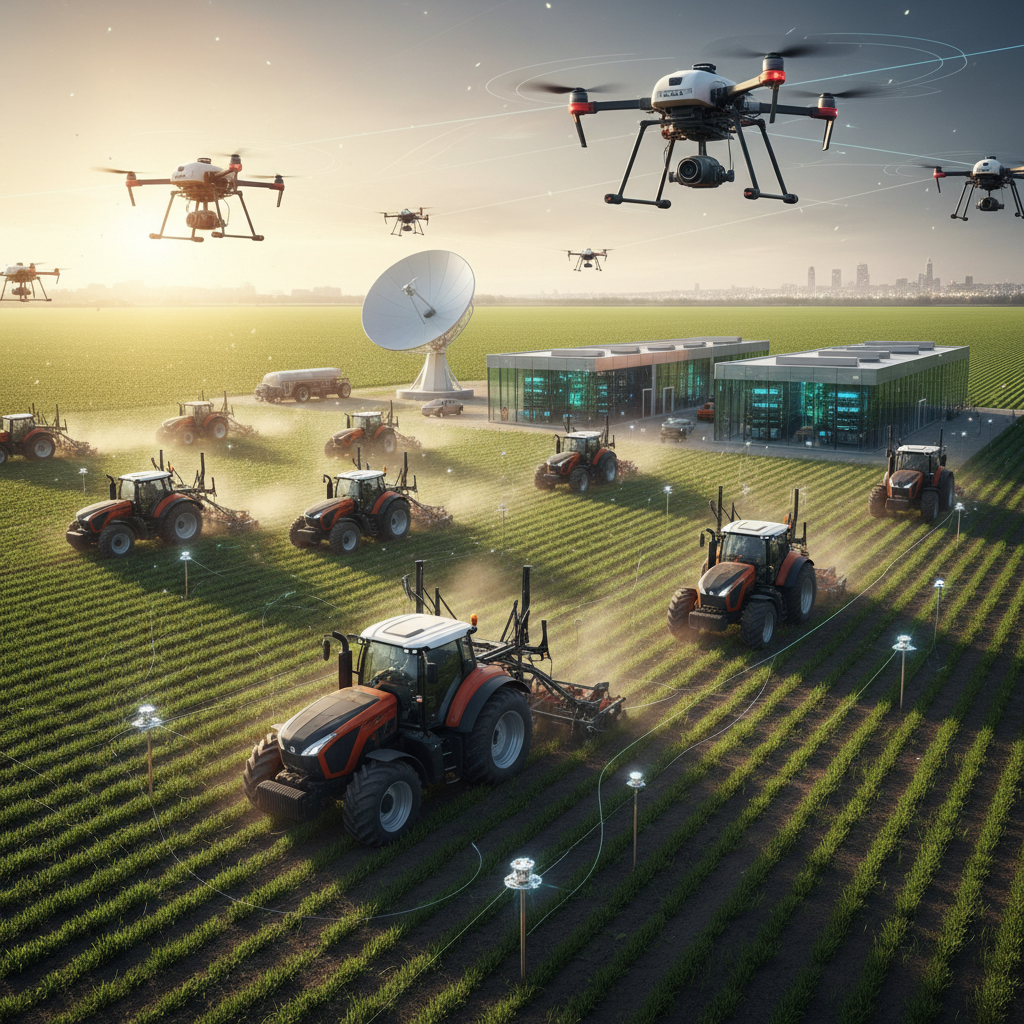
Modern farming produces two harvests: the crop in the field and the data from the machines that planted, monitored, and harvested it. The second harvest is increasingly valuable, feeding AI models that promise to optimize agriculture on a global scale. But the question of who owns, controls, and profits from farm data is becoming one of agriculture's most contentious issues.
The Data That Farms Produce
A single large-scale farming operation generates remarkable volumes of data:
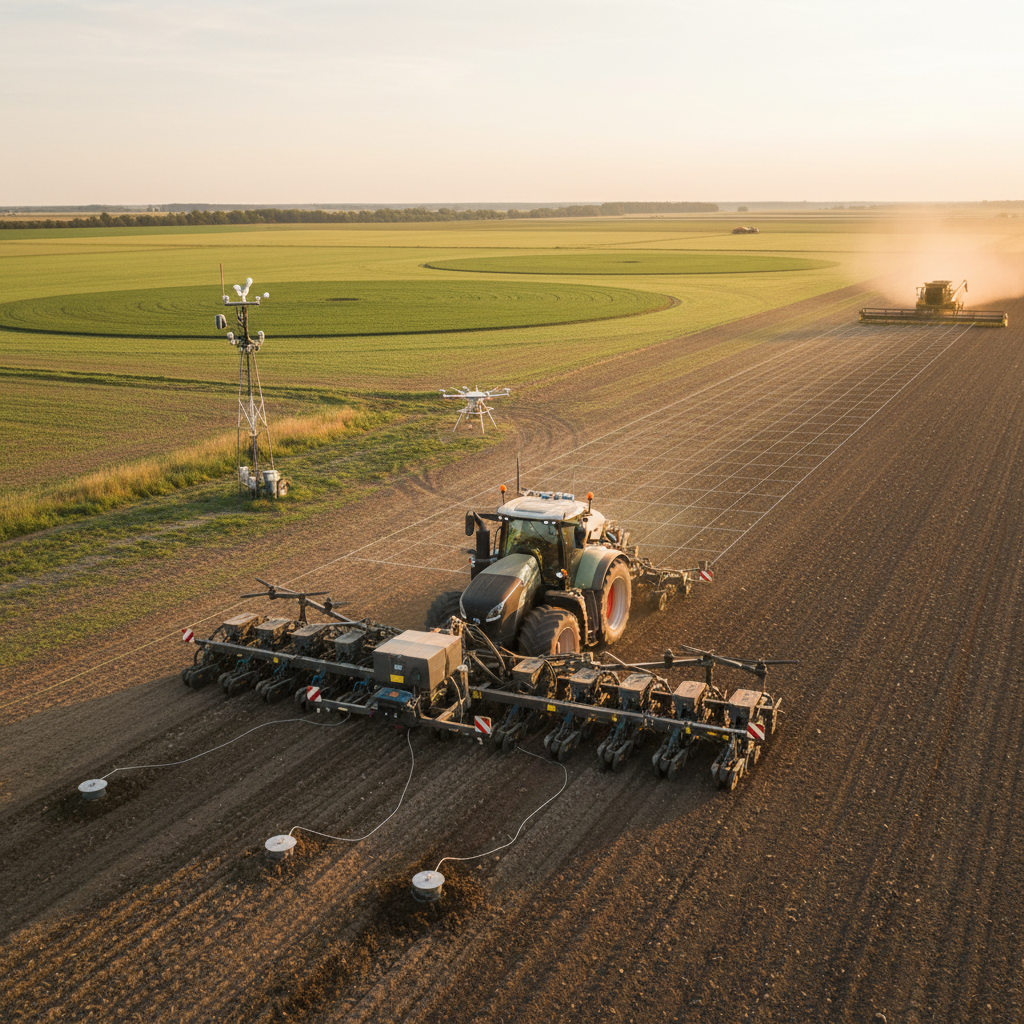
- Tractor and implement telemetry: GPS position, ground speed, engine load, fuel consumption, implement settings (seeding depth, spray pressure, harvest moisture) — all recorded at sub-second intervals across every field pass
- Soil sensors: Moisture, temperature, pH, electrical conductivity, and nutrient levels from fixed and mobile sensors
- Drone and satellite imagery: Multispectral images capturing crop health, canopy coverage, water stress, and pest damage
- Weather stations: Hyperlocal temperature, humidity, wind, rainfall, and solar radiation
- Yield monitors: Geo-referenced crop yield data at harvest, mapping productivity across every square meter of every field
- Input records: Exact quantities and locations of seed, fertilizer, herbicide, and pesticide applications
Combined across thousands of farms and multiple growing seasons, this data is extraordinarily valuable for training agricultural AI.
What AI Companies Want
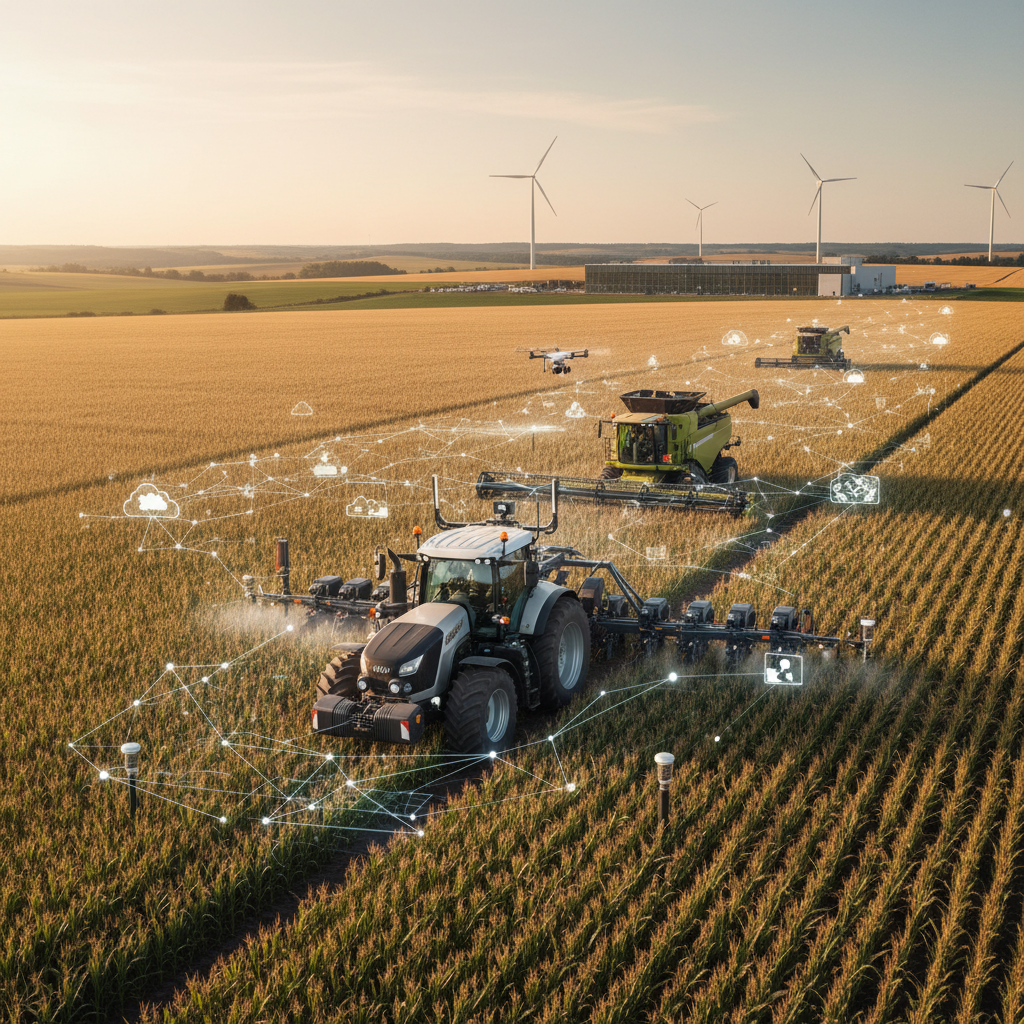
The applications driving demand for agricultural training data include:
Yield prediction: Models that forecast crop yields from early-season data, enabling better marketing, insurance, and logistics decisions. These require multi-year, multi-geography datasets combining imagery, weather, soil, and management data.
Precision application: AI systems that optimize seed, fertilizer, and chemical application rates at the sub-field level. Training these models requires detailed input maps correlated with outcome data.
Pest and disease detection: Computer vision models trained on drone and satellite imagery to identify crop diseases, pest damage, and weed pressure early enough for intervention.
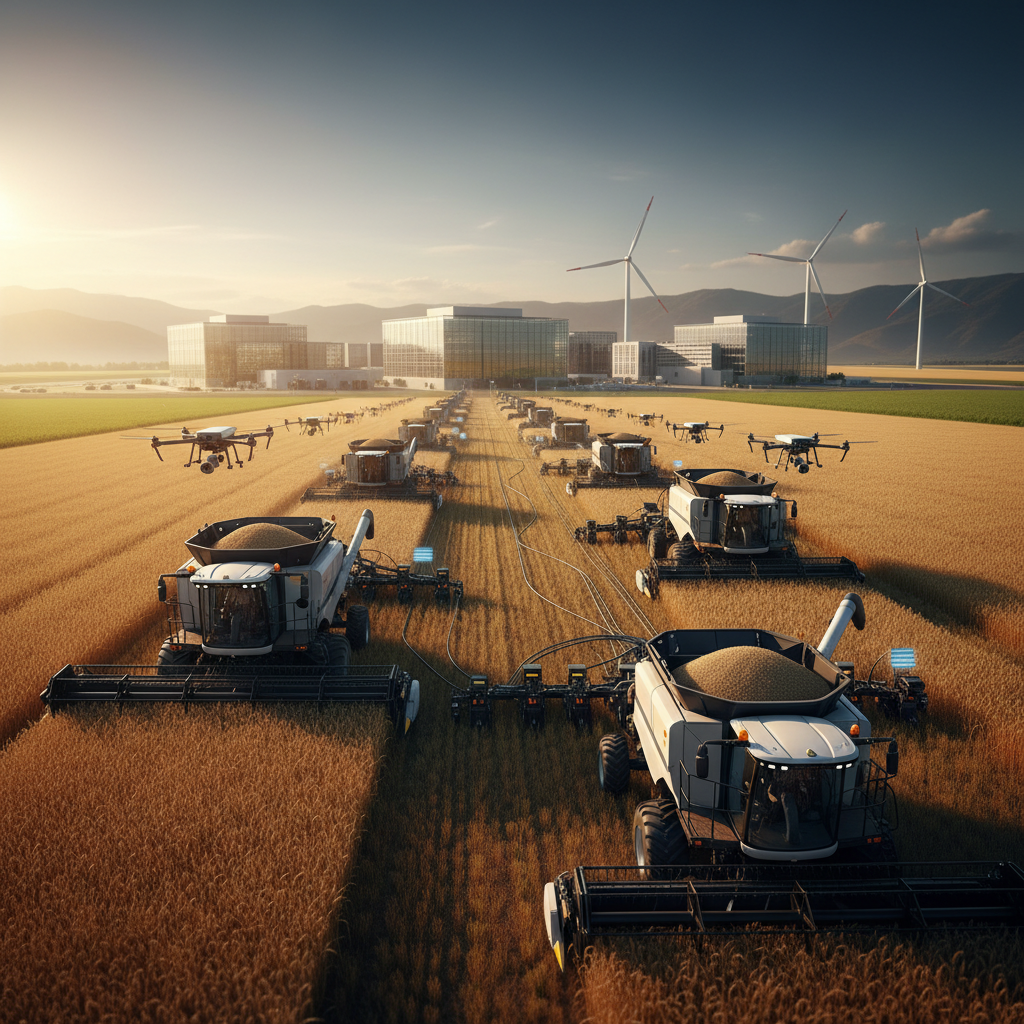
Autonomous equipment: Self-driving tractors and robotic harvesters need vast quantities of field imagery, terrain data, and operational telemetry for training.
Carbon and sustainability: AI models that estimate soil carbon sequestration, water usage, and environmental impact from farm management data.
The Supply Chain
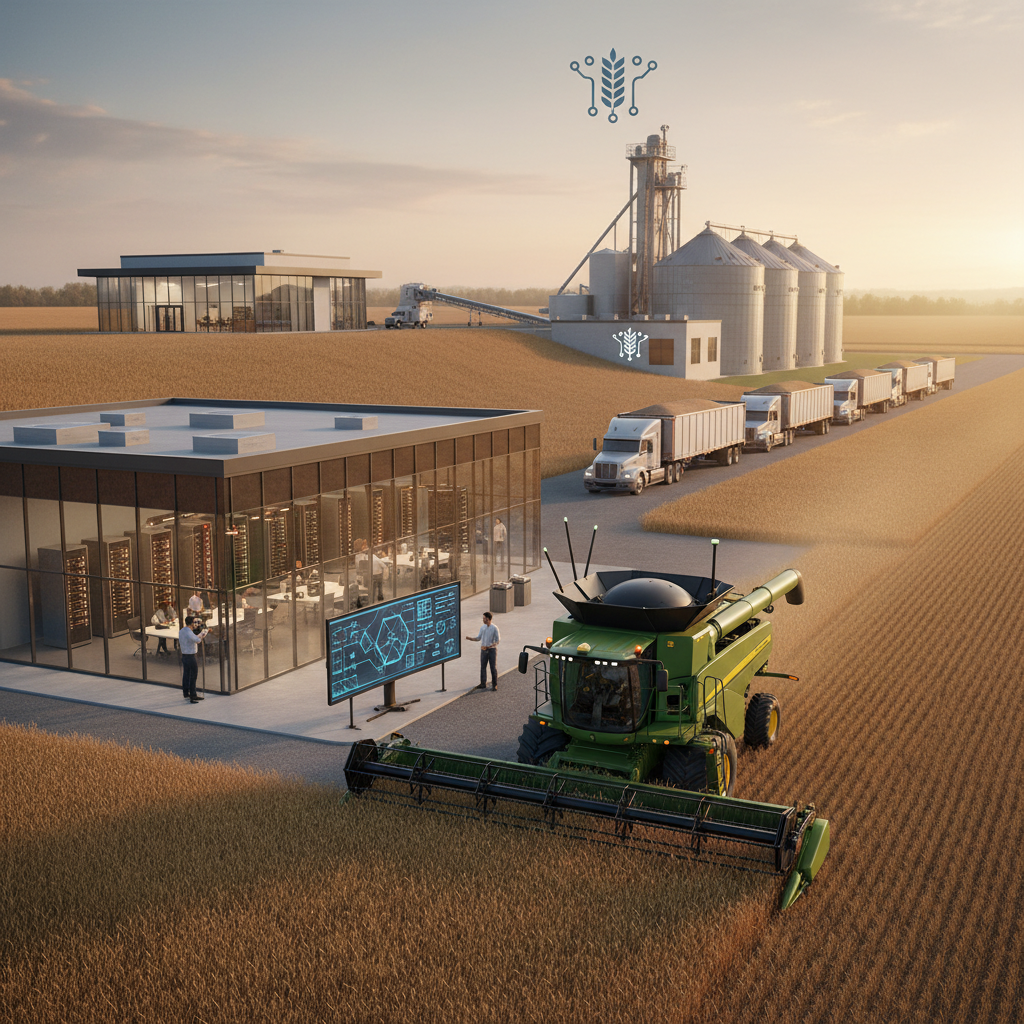
Farm data reaches AI companies through several channels:
Equipment Manufacturers
Companies like John Deere, CNH, and AGCO collect telemetry from their connected equipment. Their terms of service typically grant broad rights to aggregate and use this data. This has become the largest single source of farm training data.
Farm Management Platforms
Software platforms like Climate FieldView, Granular, and FarmLogs aggregate data from multiple equipment brands and data sources. They offer AI companies normalized, multi-source datasets.
Data Cooperatives
Farmer-owned cooperatives that pool data for collective benefit, sometimes licensing it to AI companies under terms negotiated by the cooperative.
Specialized Brokers
Intermediaries that work directly with farming operations to acquire, clean, and package data for AI training. They typically offer farmers better terms than the equipment OEMs.
The Farmer Pushback
Farmers are increasingly unhappy with the current data economy:
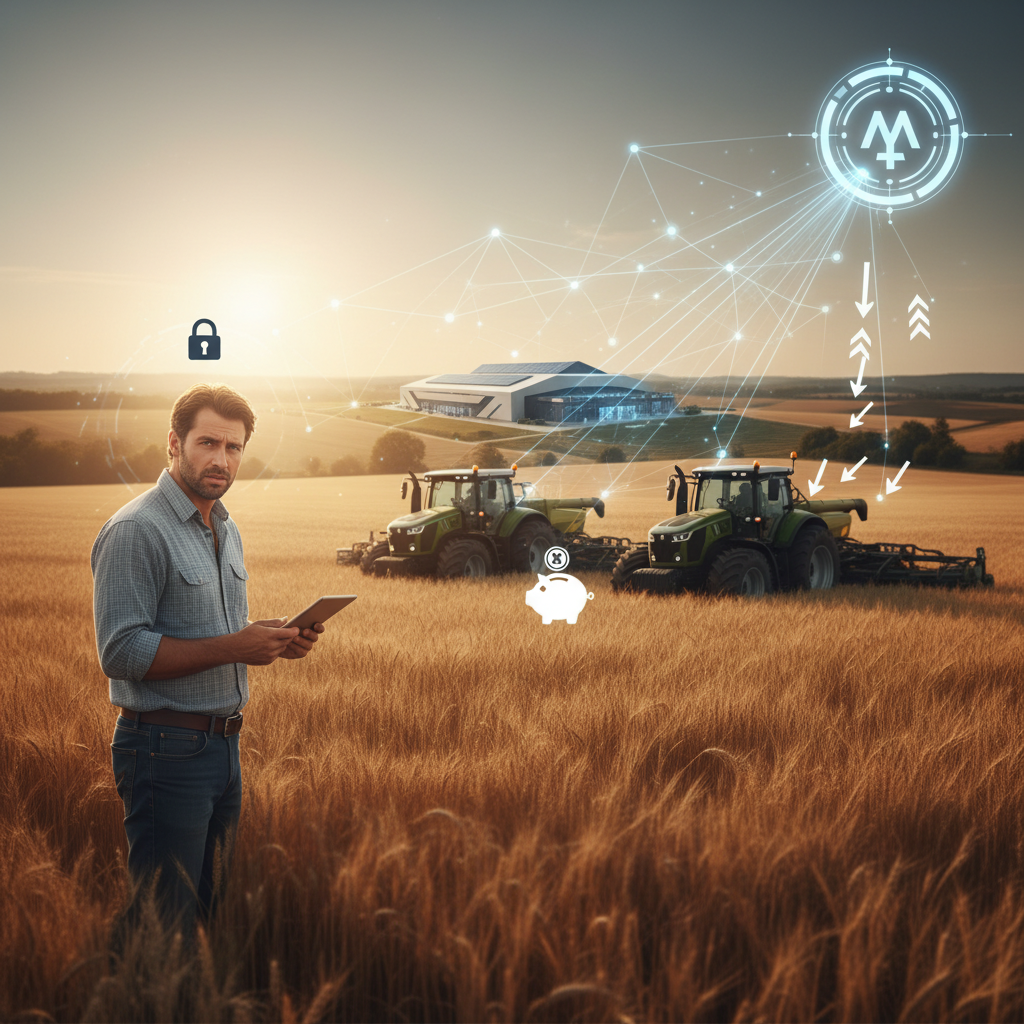
Lack of control: Equipment telemetry is collected automatically. Most farmers don't know exactly what data leaves their farm or where it goes.
No compensation: The data generated through a farmer's labor, land, and capital investment is monetized by equipment companies and platform providers. Farmers see none of that revenue.
Competitive risk: Aggregated farm data can reveal individual farm performance, practices, and yields — information with competitive value in land markets, commodity trading, and input pricing.
Market manipulation concerns: AI models trained on farm data could give commodity traders, input suppliers, or land buyers informational advantages over the farmers who generated the data.
These concerns have spawned advocacy movements, legislative proposals, and the growth of farmer data cooperatives.
The Scale of the Opportunity
Agricultural training data is valued for its uniqueness: no other domain combines such diverse environmental variability with such high economic stakes. Global agriculture represents a $5 trillion industry, and AI applications targeting even small efficiency gains represent enormous markets.
Current estimates put the agricultural AI training data market at $1-3 billion annually, growing rapidly as precision agriculture adoption expands in developing markets and AI applications mature.
Looking Forward
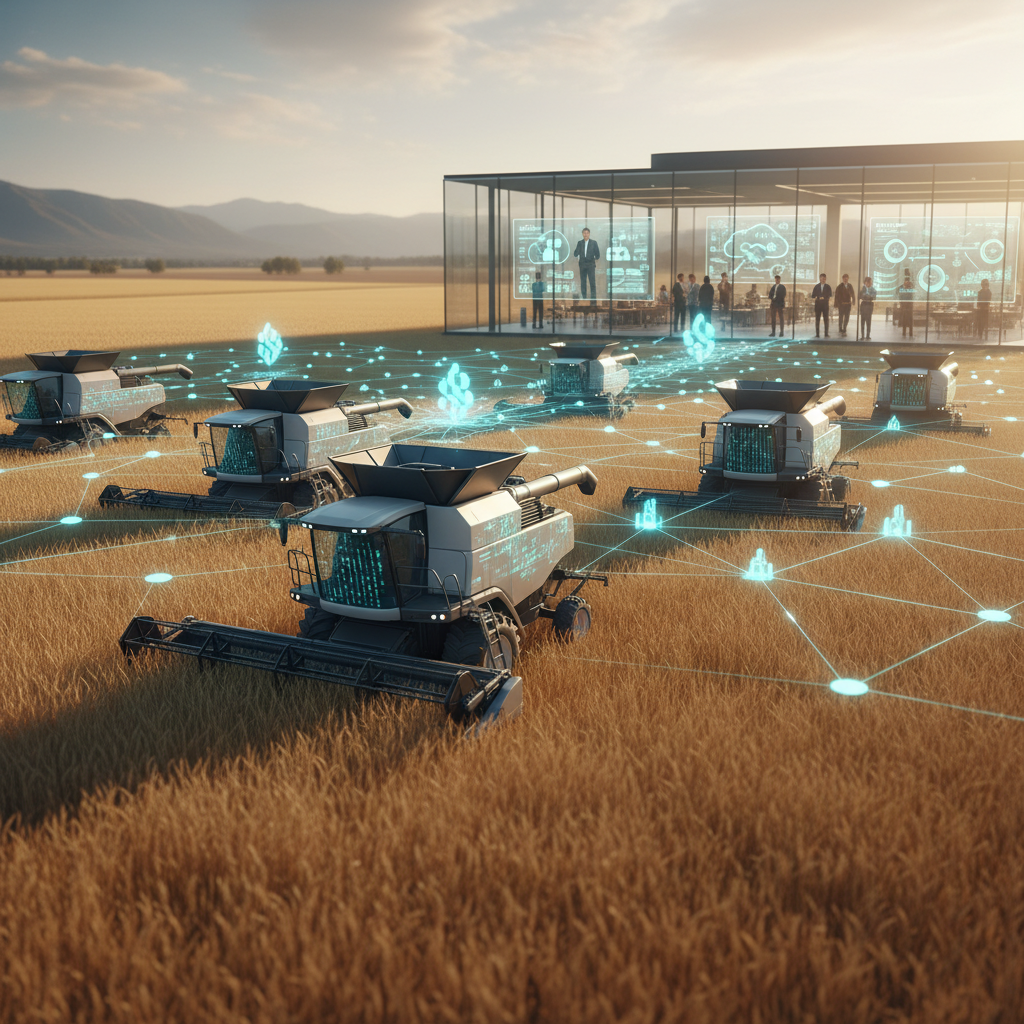
The tension between data value extraction and farmer rights will define this market's evolution. Models that give farmers meaningful control, compensation, and transparency will ultimately produce better data — farmers who trust the system participate more fully and contribute higher-quality records.
The agricultural data harvest is a microcosm of the broader industrial data brokerage market: immense value, unclear ownership, emerging regulation, and a fundamental question about who benefits from the data generated by people doing real work.