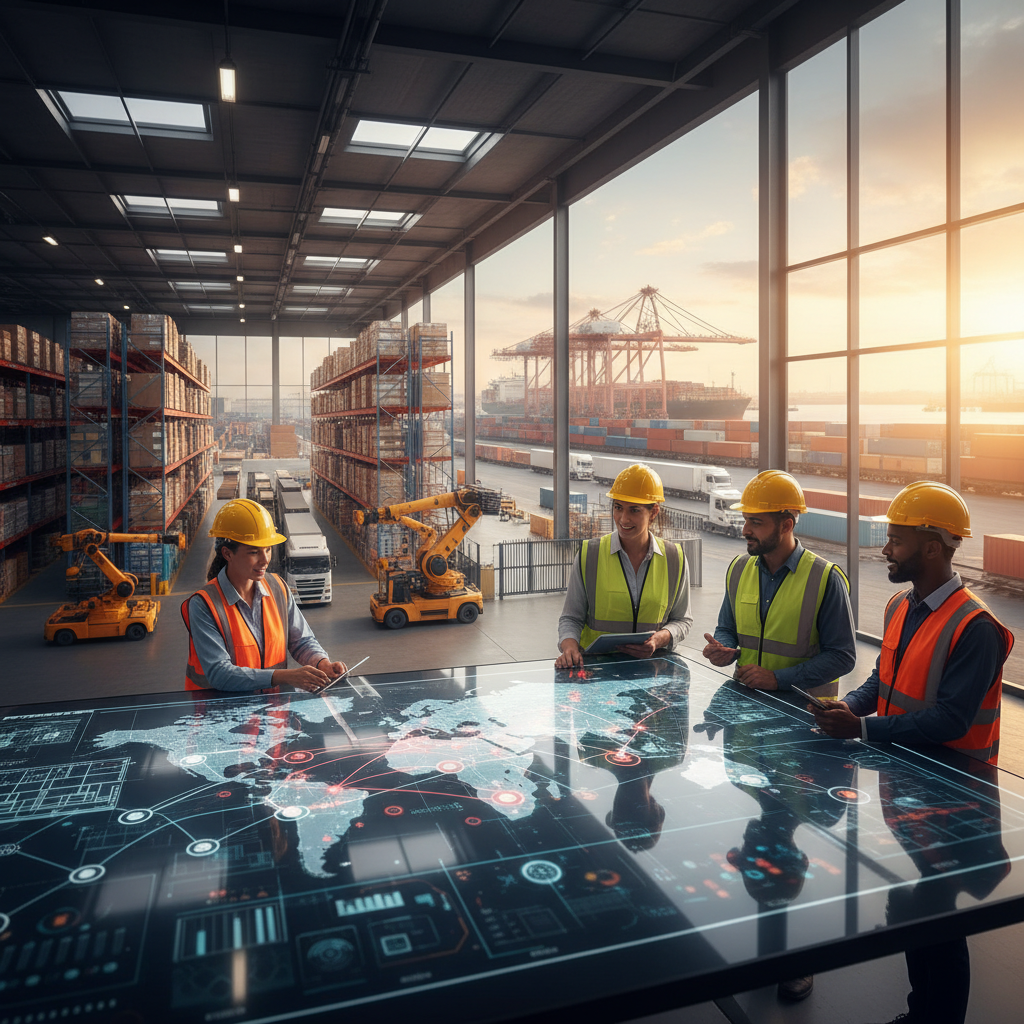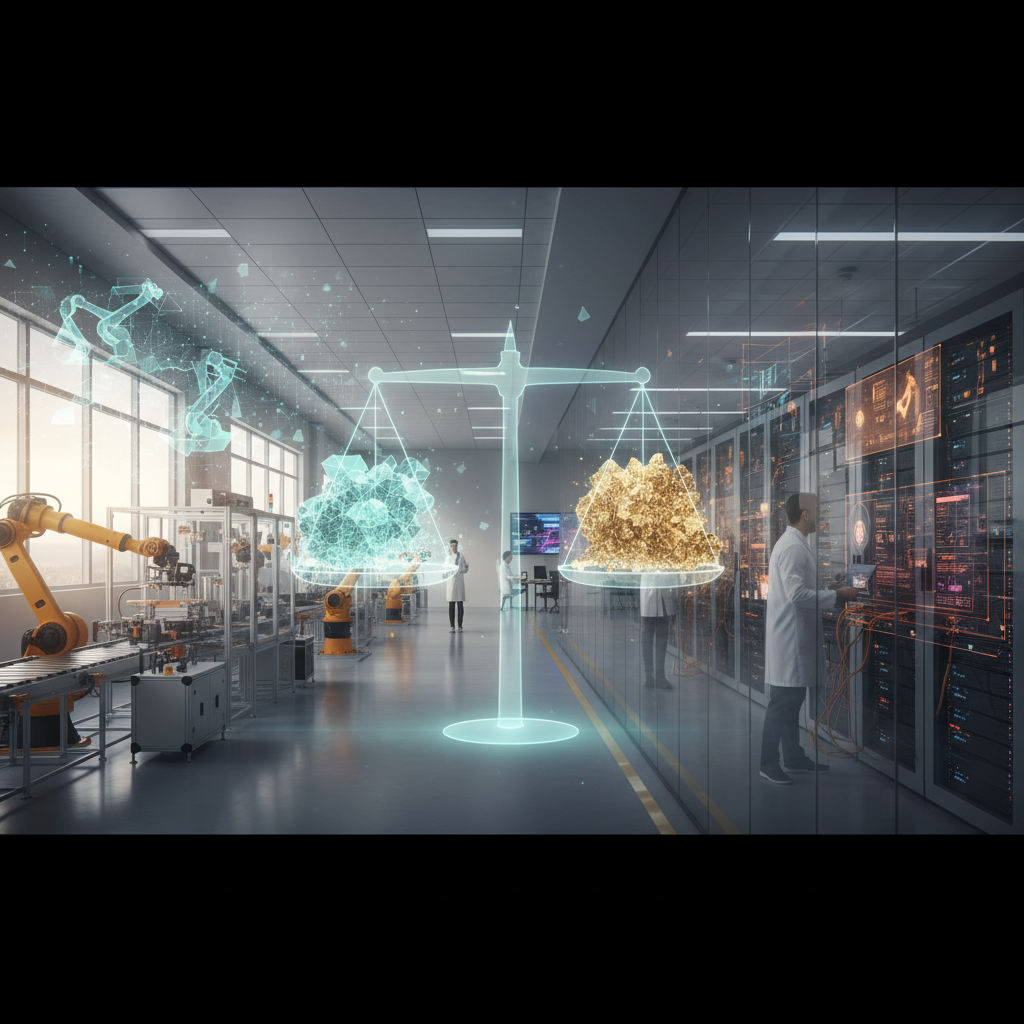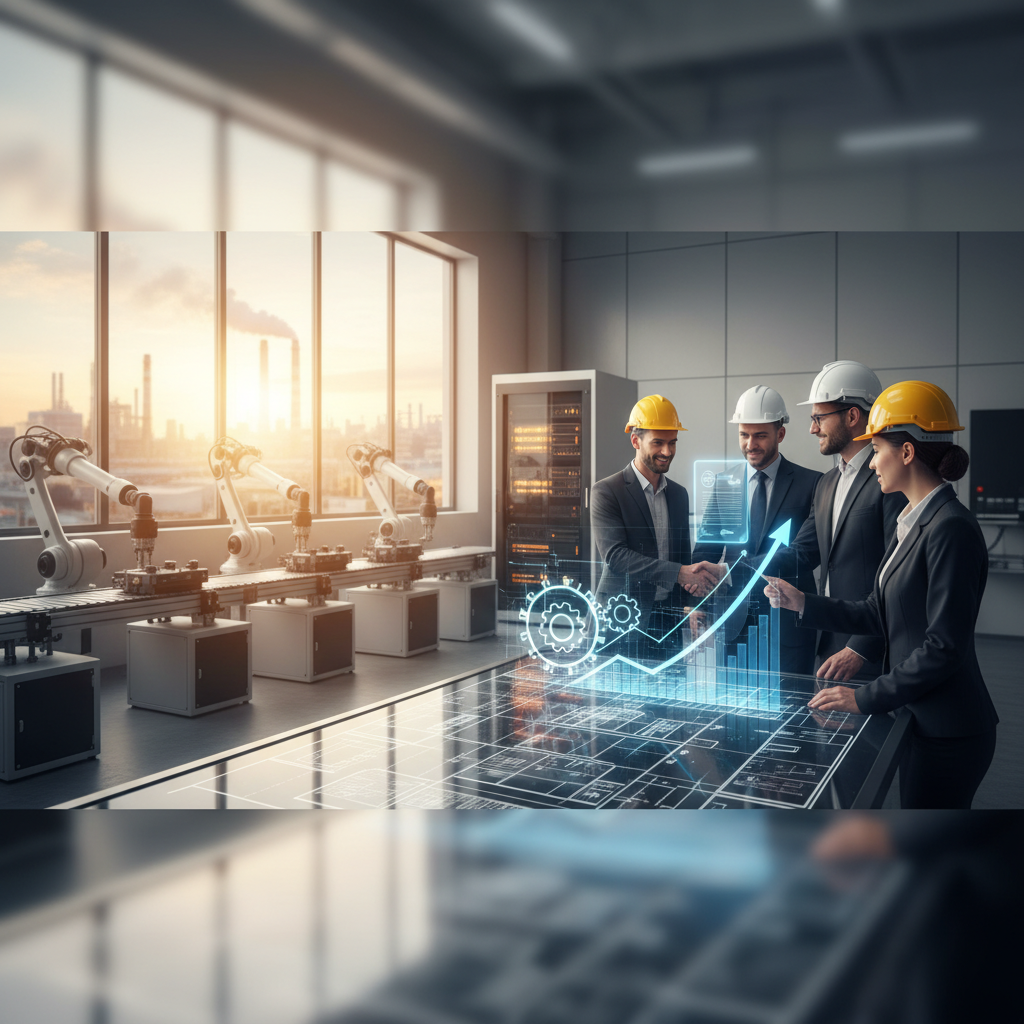
The Hidden Supply Chain Behind AI Training Data: How Industrial Data Moves From Factory Floor to Model
The Hidden Supply Chain Behind AI Training Data
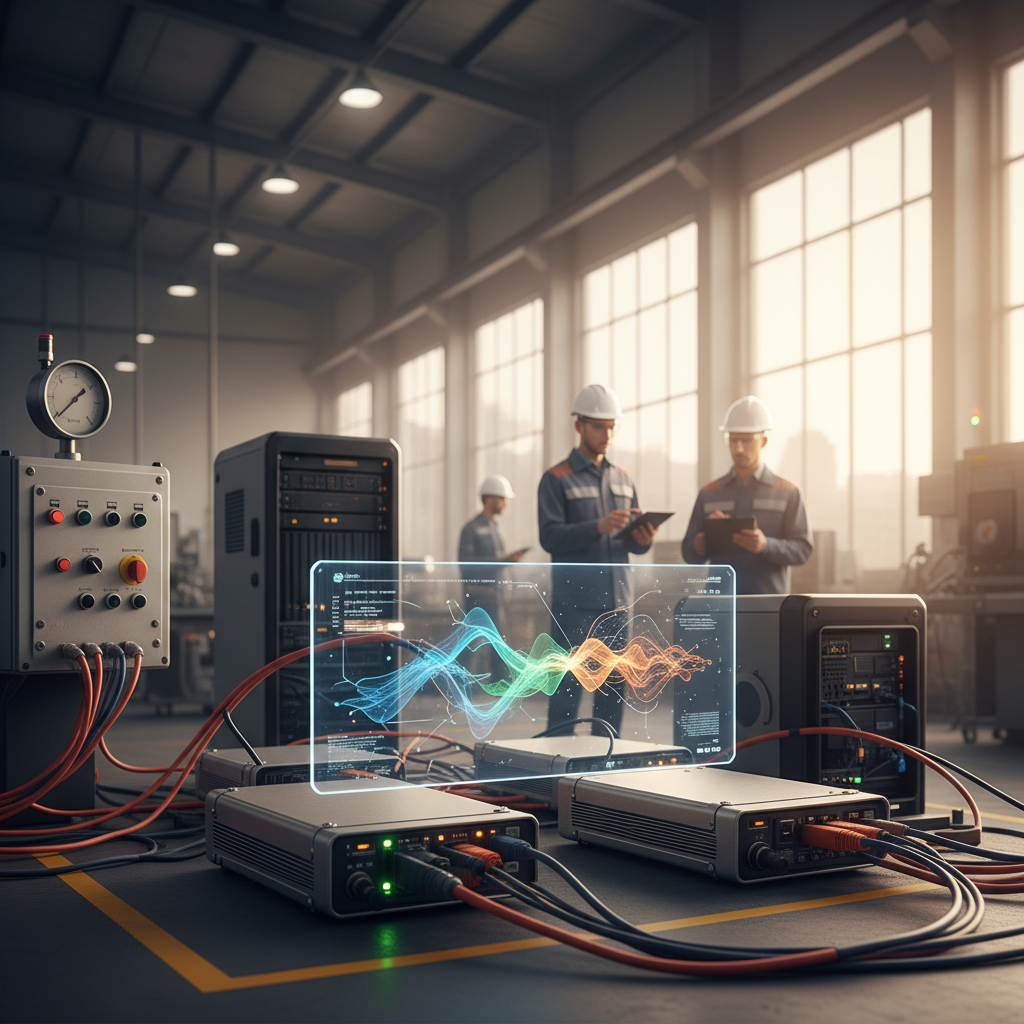
When an AI model predicts equipment failure on an offshore oil rig or optimizes a semiconductor fabrication line, it draws on training data that traveled a long and winding road. That data didn't start life in a clean CSV file. It started as voltage fluctuations, temperature spikes, vibration readings, and pressure differentials — raw signals from machines doing real work.
Understanding how that data moves from origin to model is essential for anyone operating in the industrial AI space.
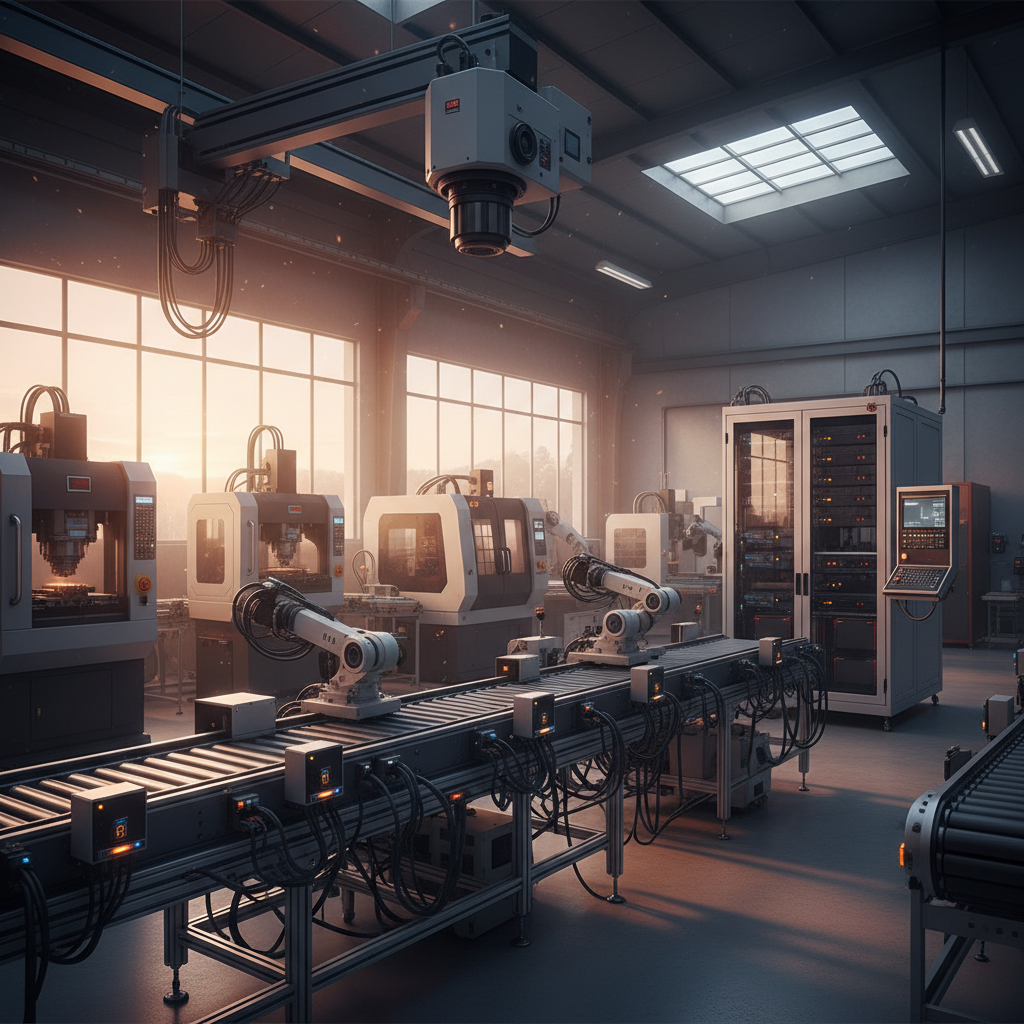
Stage 1: Generation at the Edge
Every industrial facility generates data continuously. A single modern factory can produce terabytes per day from PLCs, SCADA systems, IoT sensors, and machine vision cameras. Most of this data is consumed in real-time for process control and then discarded or archived in local historians.
The critical insight is that this data was never created for AI training. It was created for operations. Repurposing it is where the supply chain begins.
Stage 2: Extraction and Aggregation
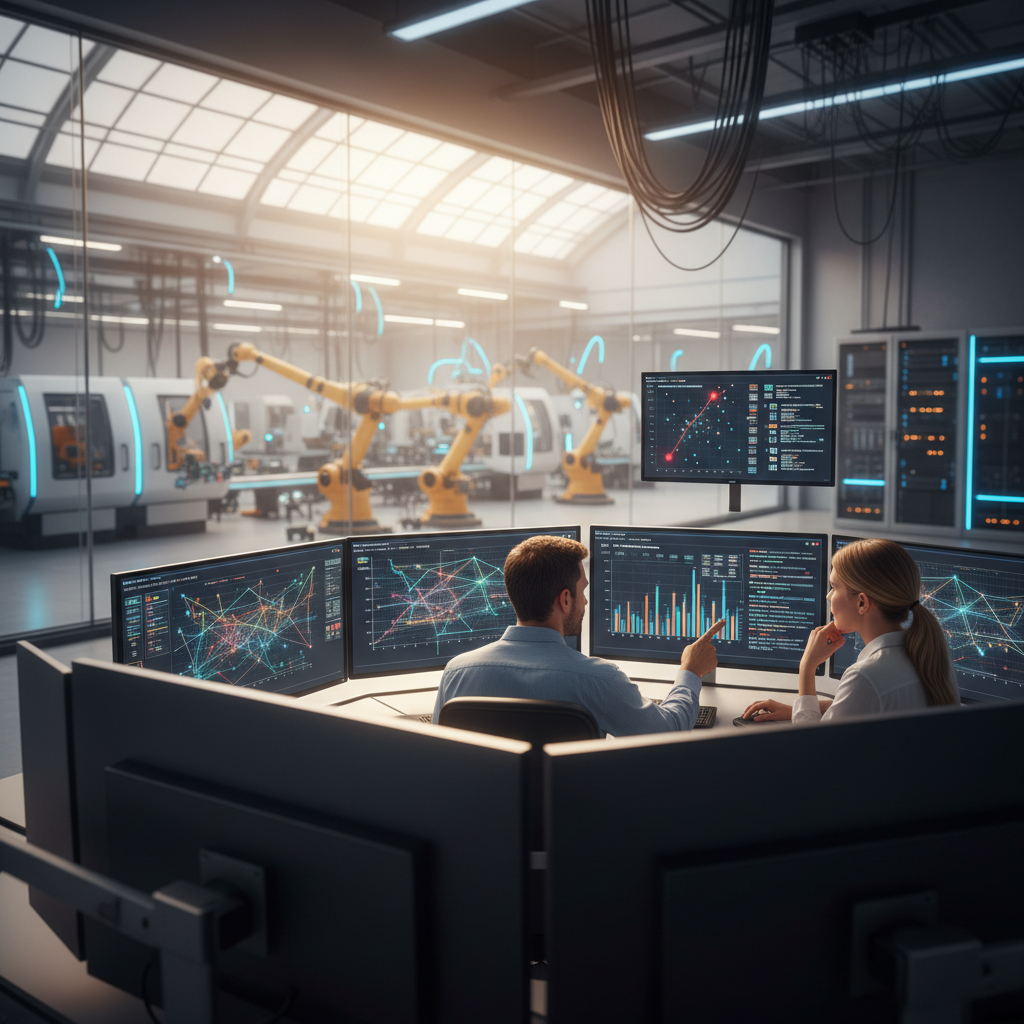
Getting data out of industrial environments is harder than it sounds. OT networks are air-gapped. Proprietary protocols dominate. Data formats vary wildly between vendors — one machine speaks OPC-UA, another Modbus, a third uses a proprietary binary format from 2004.
Data brokers and aggregators solve this through:
- Gateway deployments that bridge OT and IT networks
- Protocol translation layers that normalize disparate formats
- Edge computing nodes that pre-process and compress data before transmission
- Contractual agreements with facility operators for data access rights
Stage 3: Cleaning and Structuring
Raw industrial data is messy. Sensors drift, timestamps desynchronize, gaps appear during maintenance windows, and units of measurement vary between sites. Before this data has any value for AI training, it must be:
- Deduplicated across redundant sensor networks
- Aligned temporally to a common time base
- Annotated with contextual metadata (machine type, operating conditions, maintenance history)
- Validated against known physical constraints (a temperature reading of -500C is clearly an error)
This stage is where most of the human expertise — and cost — concentrates. A domain expert who understands both the industrial process and the data requirements of ML models is rare and expensive.
Stage 4: Labeling and Enrichment
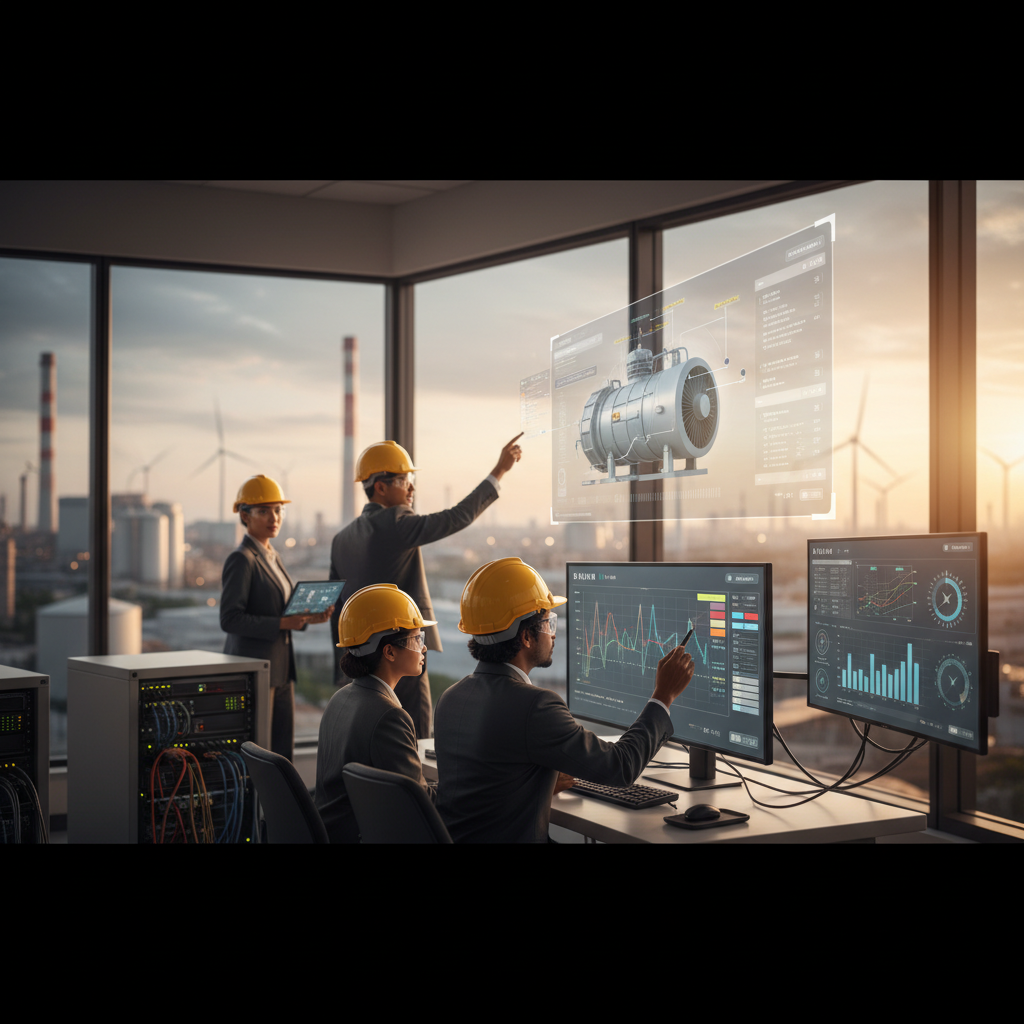
For supervised learning applications, raw time-series data needs labels. Did this vibration pattern precede a bearing failure? Was this temperature excursion during normal operation or an anomaly?
Labeling industrial data requires people who understand the underlying processes. You can't crowdsource the labeling of a gas turbine's compressor data the way you can label images of cats. This creates a persistent bottleneck.
Enrichment adds further value: correlating operational data with maintenance records, connecting sensor readings to production outcomes, linking weather data to energy generation patterns.
Stage 5: Packaging and Licensing
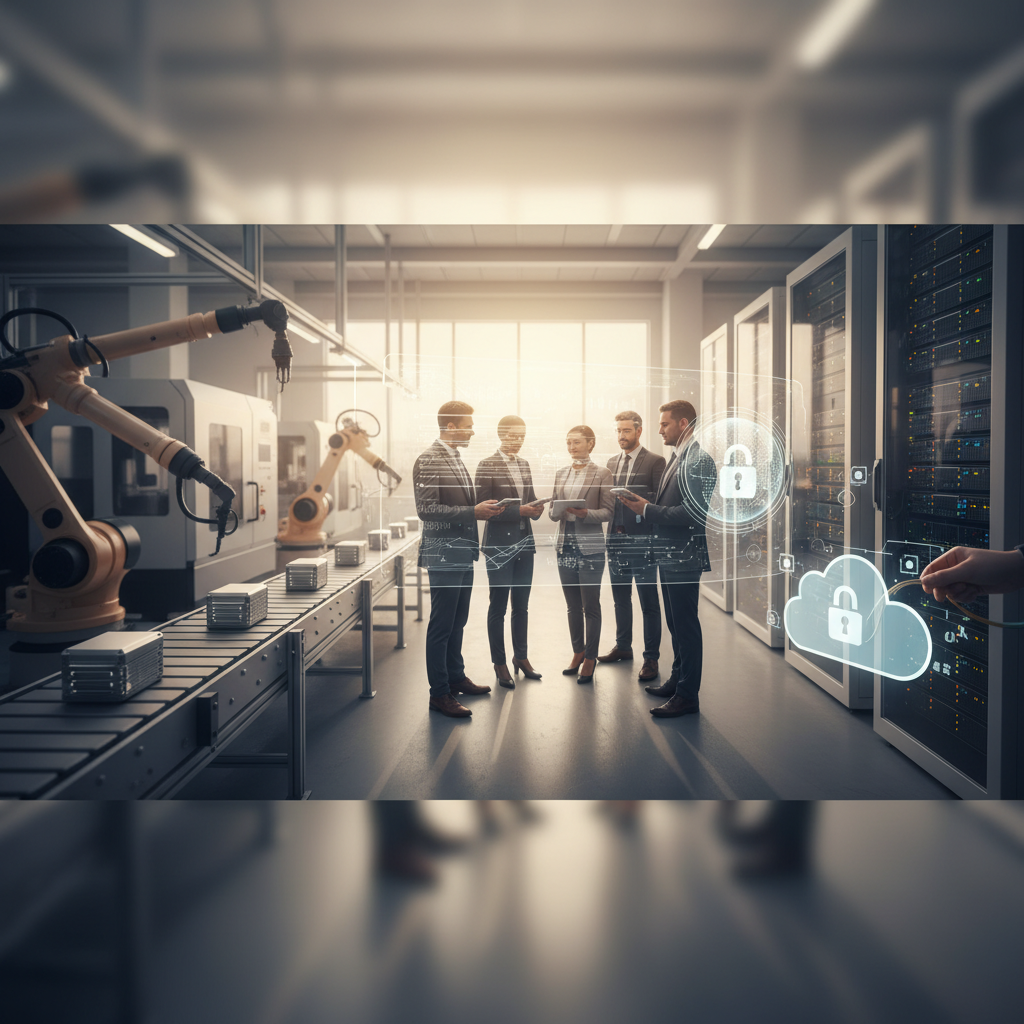
The final stage before data reaches an AI developer is packaging. Brokers create dataset products with:
- Documentation describing schema, collection methodology, and known limitations
- Sample sets for evaluation before purchase
- Licensing terms specifying use rights, exclusivity, and redistribution restrictions
- Delivery mechanisms — APIs, cloud storage, or physical media for very large datasets

The Economics
Each stage adds cost and value. Raw sensor data might be worth pennies per gigabyte. Cleaned, labeled, and packaged data for a specific AI application can command thousands of dollars per dataset.
The total addressable market is growing rapidly as AI companies exhaust publicly available training data and turn to specialized industrial sources. The brokers who control this supply chain are quietly becoming some of the most important players in the AI ecosystem.
What This Means for Industry
If you operate industrial facilities, you're sitting on a data asset you may not have valued. If you're building AI models, understanding this supply chain helps you evaluate data quality and provenance. And if you're considering entering the data brokerage space, knowing where the bottlenecks lie — extraction, labeling, domain expertise — tells you where the real opportunities are.
The AI training data supply chain is still maturing. The companies that build robust, trustworthy pipelines from factory floor to model will shape the next decade of industrial AI.