Synthetic vs. Real Industrial Data: Can Generated Datasets Replace the Real Thing?
Synthetic vs. Real Industrial Data: Can Generated Datasets Replace the Real Thing?
The promise is compelling: instead of spending months negotiating data access agreements, cleaning messy sensor feeds, and paying domain experts to label fault conditions, just generate synthetic data that mimics the real thing. Simulation engines, generative models, and physics-based digital twins can produce unlimited quantities of training data on demand.
But can synthetic industrial data actually replace the real thing? The honest answer is: sometimes, partially, and with important caveats.
Where Synthetic Data Works
Synthetic data generation is genuinely effective in several industrial AI scenarios:
Well-Understood Physics
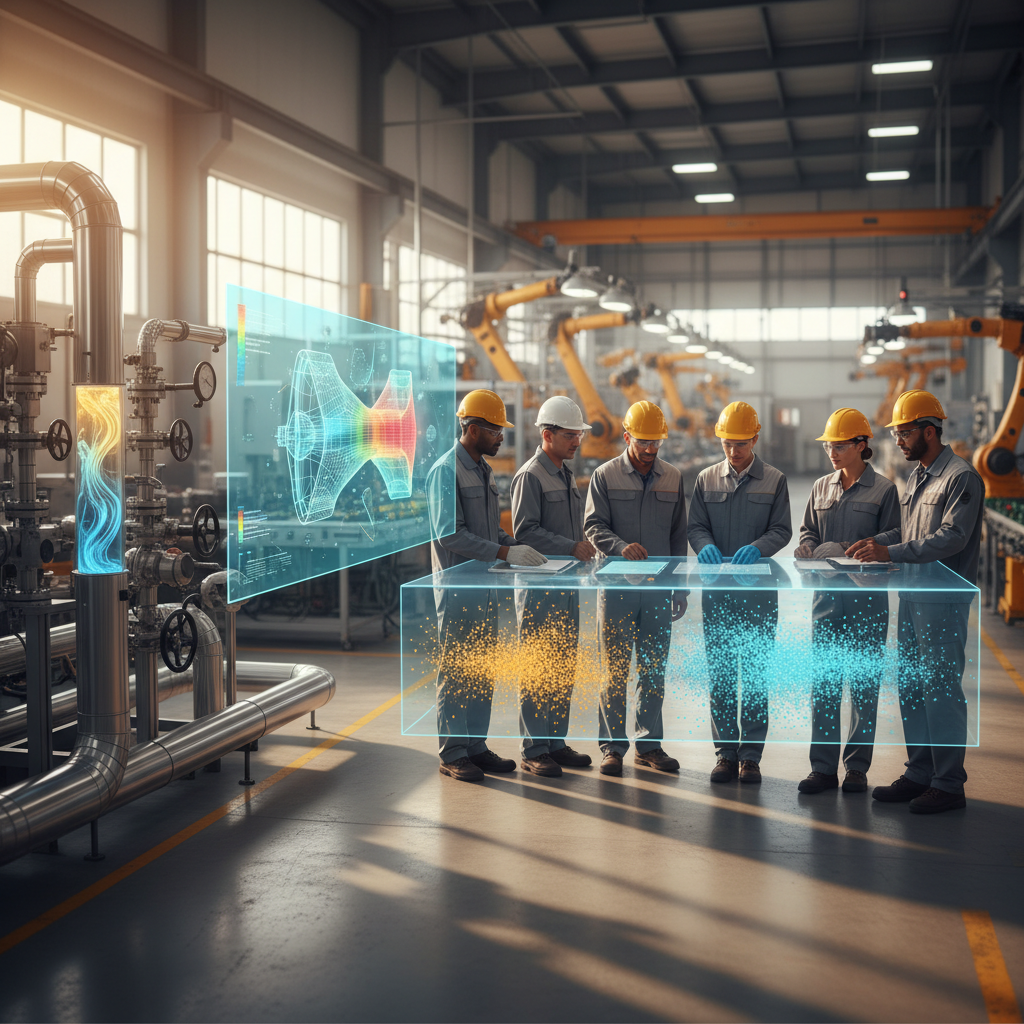
When the underlying physics is well-modeled — heat transfer, fluid dynamics, structural mechanics — simulation can produce highly realistic data. Finite element analysis can generate realistic stress and strain data for structural components. Computational fluid dynamics can simulate flow patterns through piping systems.
For these domains, synthetic data can supplement real data effectively, especially for rare conditions that are difficult to capture in operation (extreme temperatures, unusual load profiles, near-failure states).
Augmenting Small Real Datasets
When you have a small but high-quality real dataset, synthetic data can expand it. Techniques like adding realistic noise profiles, simulating sensor drift, and varying operating conditions around real data points can multiply the effective training set size.
Privacy-Sensitive Scenarios
When real data can't be shared due to privacy, competitive, or regulatory concerns, synthetic data that preserves statistical properties without containing actual operational records can enable model development.
Edge Case Generation
Real industrial data is dominated by normal operation. Failures are rare. Synthetic generation can produce balanced datasets with realistic failure signatures, addressing the class imbalance problem that plagues industrial ML.
Where Synthetic Data Falls Short
Unknown Unknowns
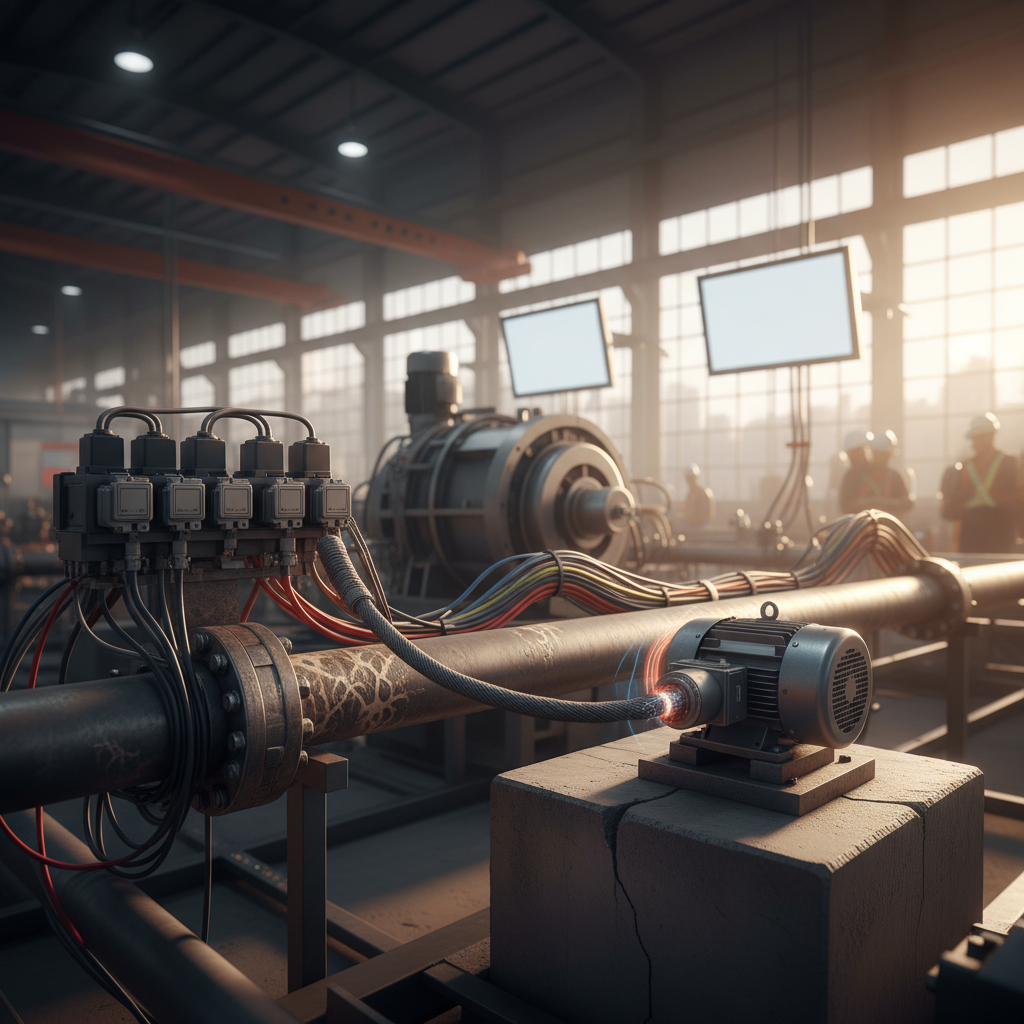
Simulation can only model what you know. Real industrial environments are full of interactions, edge cases, and failure modes that no simulator captures. Corrosion patterns affected by local water chemistry. Vibration signatures influenced by foundation settling. Electrical noise from a nearby motor that shares a power bus.
Models trained exclusively on synthetic data consistently underperform on these real-world complexities.
Sensor Artifacts
Real sensors have quirks: nonlinear calibration curves, temperature-dependent drift, intermittent connection issues, aliasing effects, and cross-sensitivity to unintended stimuli. Simulating these artifacts accurately is extremely difficult. Models that learn from clean synthetic data struggle when faced with the messy reality of production sensor systems.
Operational Context
Human operators introduce variability that simulation rarely captures. How operators respond to alarms, their preferences for manual overrides, the subtle adjustments they make based on experience — these human-in-the-loop effects shape real industrial data in ways that are hard to synthesize.
Distribution Shift
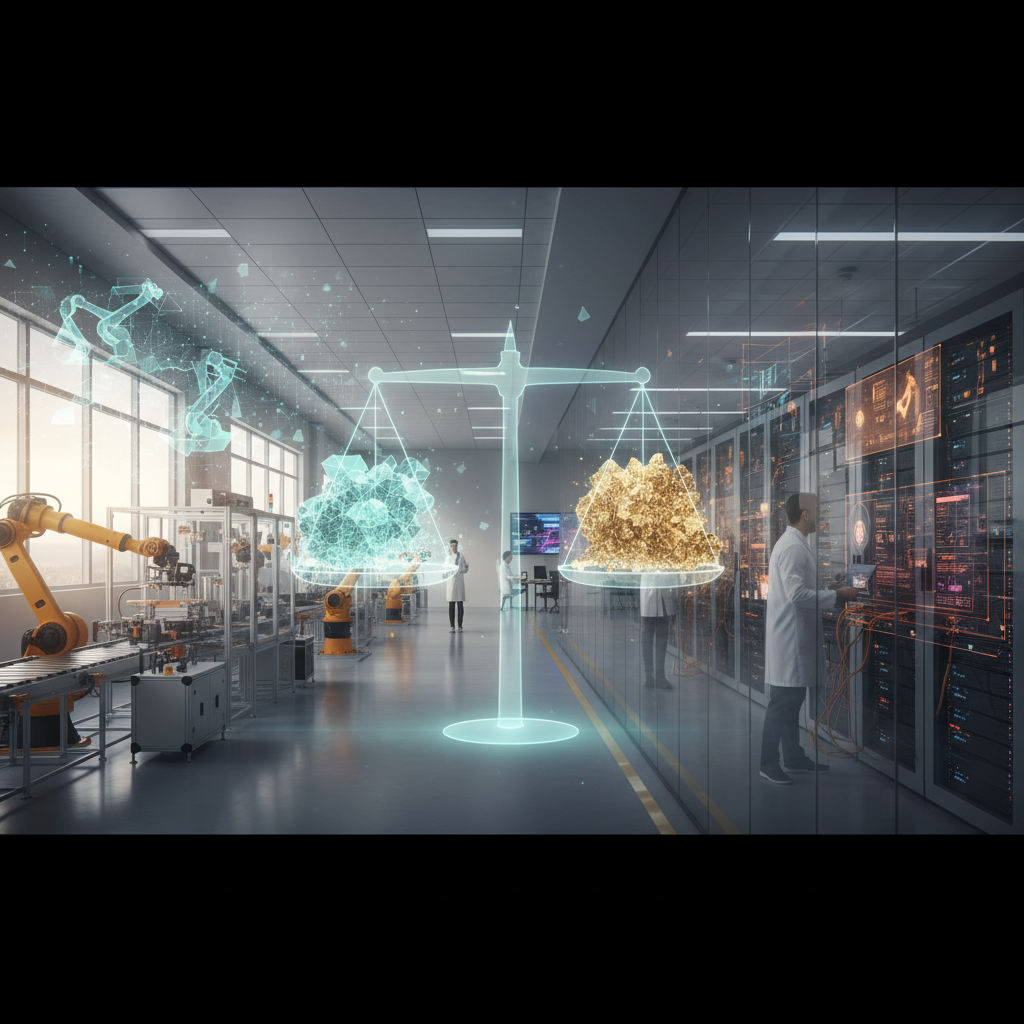
The fundamental challenge: synthetic data comes from a model of reality, not reality itself. The gap between the two — the distribution shift — directly limits the performance of AI models trained on synthetic data when deployed in real environments.
The Hybrid Approach
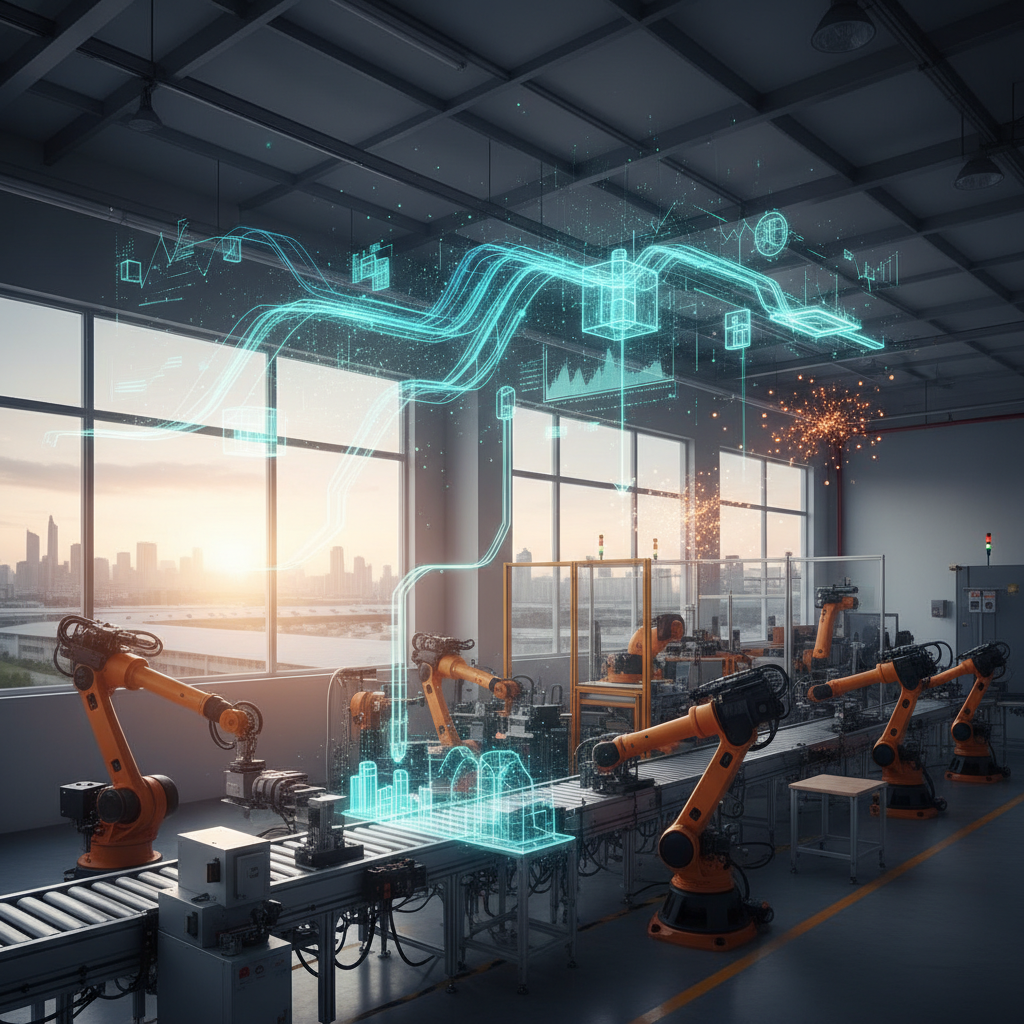
The most effective strategy combines both:
- Start with synthetic data to develop initial models and validate approaches
- Fine-tune with real data to bridge the distribution gap
- Use synthetic data for augmentation — expanding coverage of rare events and edge cases
- Validate exclusively on real data — never trust performance metrics from synthetic test sets
This hybrid approach can reduce the volume of real data needed by 50-80% for many industrial applications, but it cannot eliminate the need for real data entirely.
Implications for Data Brokers
Synthetic data is sometimes positioned as an existential threat to data brokerage: if you can generate data, why buy it?
In practice, synthetic data is more likely to reshape the market than destroy it:
- Real data becomes more valuable, not less: As the easy wins from synthetic augmentation are captured, the marginal value of authentic operational data increases. Real failure data, in particular, cannot be convincingly synthesized for novel failure modes.
- New service offerings emerge: Brokers can offer hybrid data products — real datasets augmented with synthetic extensions. Or validation datasets guaranteed to be 100% real for final model testing.
- Quality differentiation increases: When synthetic data is abundant, the differentiator becomes data that is verifiably real. Provenance documentation and chain-of-custody become more important.

The Bottom Line
Synthetic data is a powerful tool, but it's a complement to real industrial data, not a substitute. The unique value of data captured from actual industrial operations — with all its messiness, complexity, and authentic representation of real-world conditions — remains irreplaceable for building AI models that work in production.
For anyone in the industrial data market, the strategic question isn't synthetic versus real. It's how to combine both to maximum effect.